
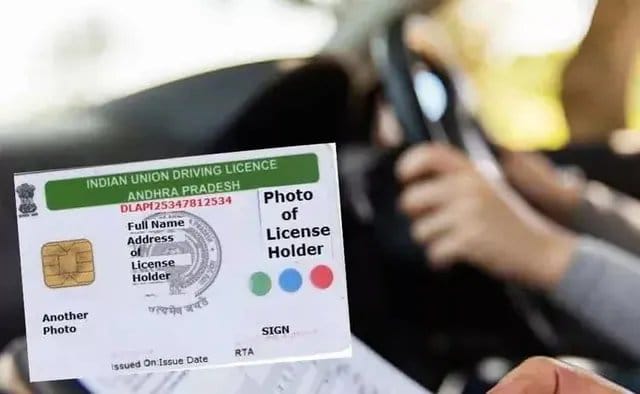
Centre Drafts Sweeping Amendments to Central Motor Vehicles Rules
In a major push to bolster national road safety and modernize administrative workflows, the Union Ministry of Road Transport and Highways (MoRTH) has proposed significant revisions to the country's driving license framework. The draft rules aim to raise the qualification standard for prospective drivers, mandate strict timelines for updating personal credentials, and simplify access to digital transport services.
The draft notification, released on Wednesday evening, outlines comprehensive amendments to the Central Motor Vehicles Rules. Officials emphasize that these proposals are designed to make testing procedures more rigorous while ensuring that regional transport office (RTO) databases remain accurate and up-to-date across all states and union territories.
Because the proposals are currently in the draft stage, they have not yet come into effect. The revised rules will take legal force only after the central government evaluates public feedback and issues a final official notification.
Higher Passing Benchmark for Online Learner Assessment
A central highlight of the proposed amendments is a substantially higher passing threshold for the computer-based learner license assessment. Under the new draft guidelines, applicants must secure a minimum score of 75 percent to pass the computerized or online test, up from the current passing mark of 60 percent.
The assessment forms part of a mandatory safe driving tutorial that spans at least 30 minutes. By raising the qualification standard, authorities intend to ensure that every applicant possesses a thorough understanding of essential road regulations, traffic signals, warning signage, and defensive driving techniques before taking to the wheel.
Officials note that the heightened benchmark is an urgent response to rising road accident statistics. The objective is to foster greater safety awareness among novice drivers right at the entry point of the licensing process, reducing preventable collisions and ensuring that road users are properly prepared for complex traffic environments.
Strict Timelines for Personal Detail Updates and Verification
Beyond testing standards, the draft regulations introduce tight deadlines for maintaining accurate records on official databases. Under the proposed provisions, individuals who change their residential address, legal name, or mobile phone number must update their profile on the official RTO portal within 15 days of the change taking place.
To support these measures, the draft framework outlines clear, binding timelines for licensing authorities to verify and process applications for credential modifications. The Ministry has also revised the designated schedule of acceptable identity and address verification documents, streamline submission procedures to reduce processing backlogs at local transport offices.
These structural adjustments are meant to create a reliable, real-time national registry of motor vehicle operators, ensuring that official communications and legal notices reach vehicle owners without delay.
Digital Service Fee Waivers and Practical Test Exemptions
While the draft introduces stricter compliance guidelines, it also seeks to ease administrative burdens on citizens by waiving fees for select digital offerings. Under the proposed rules, several faceless and online services provided through the central Parivahan portal will be made available free of cost, eliminating minor charges previously levied for digital document requests and routine status checks.
Furthermore, the central government intends to retain existing exemptions for practical driving tests for qualified applicants. Candidates who successfully complete structured training courses at accredited driving training centers will continue to be exempt from taking the practical driving test at the RTO.
By combining rigorous theoretical testing, streamlined online services, and incentivized professional driving instruction, the ministry hopes to build a more efficient licensing system that directly contributes to safer roads across the country.







Post Comments