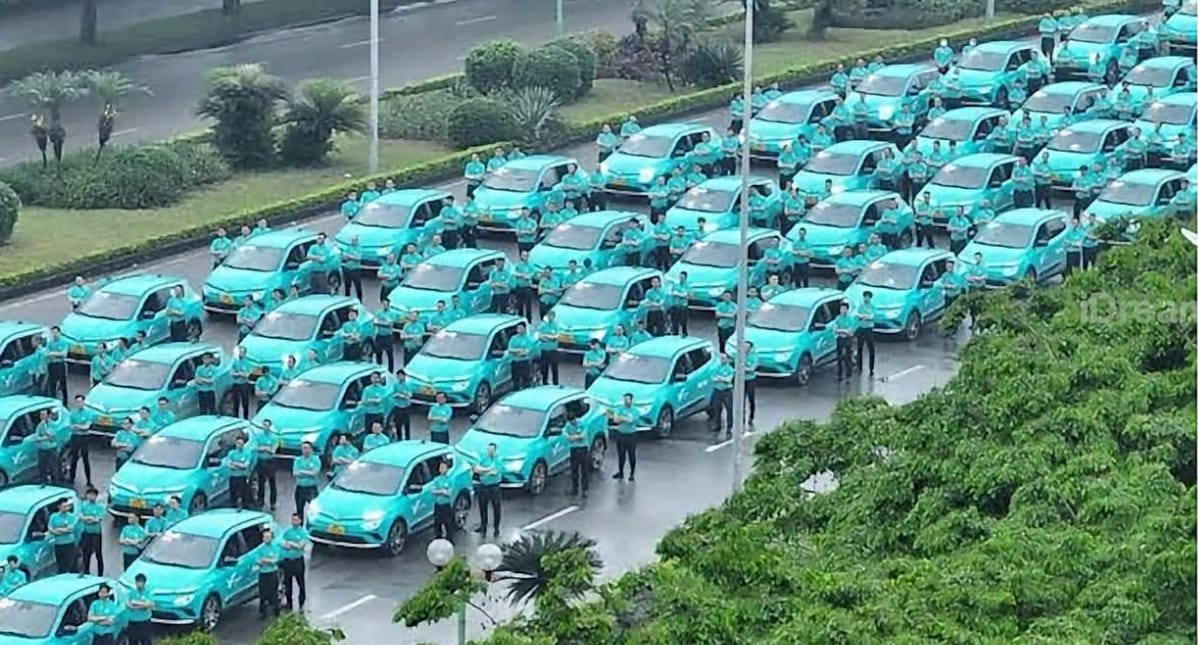
Commuters traveling across Hyderabad have recently begun noticing a fleet of brightly colored electric cabs navigating the city’s busy roads. Operated by Green SM, a subsidiary of Vietnam-based conglomerate Vingroup, the service has made Hyderabad its second market in India after Delhi. As the company expands its footprint, its distinct business model is beginning to disrupt the established dynamics of the city’s ride-hailing sector, creating new opportunities for some drivers while posing serious financial risks for private fleet operators.
Unlike traditional ride-hailing aggregators such as Ola and Uber, which rely on independent drivers and third-party vehicle owners, Green SM operates using its own fleet of electric vehicles. The company hires drivers directly on a salaried basis and promotes a fare structure free of peak-hour surge pricing. Reports circulating in the market suggest fares are set around Rs 9 per kilometer, a rate that has quickly caught the attention of daily commuters looking for predictable and affordable transport.
A New Employment Avenue for Non-Owner Drivers
Industry and union estimates indicate that approximately 1.5 lakh cab drivers operate across Telangana, alongside an estimated 15,000 migrant drivers who have moved to the state from other regions in search of livelihood. For a large segment of this workforce that does not own a vehicle, Green SM’s entry presents a notable shift in how they earn a living.
According to circulating reports, the company is offering monthly salaries of up to Rs 35,000 for drivers who work 12-hour daily shifts. If these compensation terms hold steady in practice, the model could prove highly attractive to drivers who currently lease vehicles from private fleet owners. Under the conventional rental arrangement, drivers must earn enough each day to cover daily vehicle rent and routine maintenance costs before taking home any profit. Transitioning to a fixed monthly salary removes those financial uncertainties, offering predictable income without the burden of daily rental targets.
Growing Strain on Private Fleet Owners
While salaried employment appeals to drivers without vehicles, industry observers note that private cab fleet owners are likely to bear the immediate brunt of this market shift. Many small and medium-sized fleet operators in Hyderabad have built their businesses by purchasing multiple cars through bank loans and leasing them out to drivers on a daily or weekly basis.
If a substantial number of drivers migrate toward Green SM for salaried stability, fleet owners could face an acute shortage of drivers to keep their vehicles on the road. Idle cars still carry heavy fixed financial commitments, including monthly bank equated monthly installments (EMIs), commercial insurance premiums, and ongoing maintenance expenses. Analysts warn that for operators managing larger fleets on borrowed capital, prolonged driver shortages could deliver a severe blow to business viability.
Mixed Implications for Independent Owner-Drivers
The impact on drivers who own their vehicles and operate on platforms like Ola and Uber is expected to be more nuanced. Owner-drivers currently enjoy considerable flexibility over their schedules. Many choose to log in primarily during high-demand morning and evening rush hours, allowing them to maximize earnings while taking time off during quieter periods of the day.
Because of this autonomy, independent owner-drivers may be reluctant to transition to a structured 12-hour daily shift required under a salaried employment model. However, they are not insulated from the broader competitive pressures triggered by Green SM. Surge pricing during peak hours forms a vital component of an owner-driver’s daily income. If Green SM’s lower, fixed fares draw commuters away from existing apps, independent drivers could see a decline in ride bookings. Furthermore, if established aggregators slash their fares to retain market share, the resulting reduction in per-trip payouts would directly compress the earnings of owner-drivers.
Union Backlash and Regulatory Questions
Green SM’s rapid rollout has also drawn sharp opposition from local cab and auto-rickshaw unions. On October 30, union members staged a demonstration outside the company’s office in Habsiguda, demanding that the state government ban the operator from Telangana.
Union leaders have alleged that the company is operating without the requisite clearances from the state transport and labor departments. The protest highlights growing friction within the local transport ecosystem as traditional operators and unions push back against corporate-owned fleets entering a market long dominated by individual drivers and local fleet agencies.
What Will Shape the Market Ahead
Overall, Green SM’s arrival has the potential to reshape the competitive landscape of Hyderabad’s cab industry. While private fleet owners are feeling the most immediate pressure, the long-term impact on independent owner-drivers will largely depend on how aggressively the company scales up its vehicle count across the city.
Industry watchers point out that three critical factors will determine the future trajectory of this new model: whether drivers actually receive the advertised monthly salaries consistently, how many electric cabs the company ultimately deploys on Hyderabad’s roads, and what clarity emerges regarding its regulatory approvals from state authorities. Until those questions are answered, both commuters and transport workers will be watching closely to see how the city's ride-hailing sector adapts.






Post Comments