Major Relief for Patients Struggling with Prolonged Care Costs
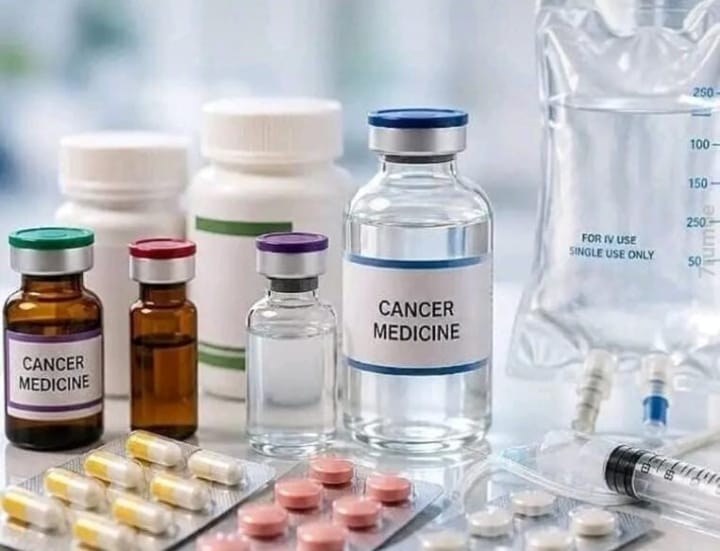
In a landmark policy intervention aimed at easing the financial burden on families battling long-term illnesses, the Indian government has announced significant cost reductions for essential oncology medications. The National Pharmaceutical Pricing Authority (NPPA), operating under the Department of Pharmaceuticals, has instituted a 30% cap on trade margins across 137 cancer drug formulations.
According to official statements from the Union Ministry of Chemicals and Fertilizers, capping distribution margins at the wholesale and retail levels will lead to sharp declines in market rates, with retail prices expected to drop by up to 70% on selected medications. The revised pricing structure is scheduled to come into force across the country starting November 9, 2026.
Cancer therapies frequently demand extended treatment cycles, making ongoing pharmaceutical expenses one of the most draining aspects of patient care. By addressing inflated markups applied during the distribution and retail phases, regulatory authorities aim to make life-saving therapies substantially more accessible to the public.
Expert Committee Shapes Policy Scope
The decision to target these specific 137 formulations was driven by detailed recommendations from an expert panel. This advisory committee comprised practicing oncologists, medical specialists, hospital administration representatives, and key government officials who assessed market dynamics and healthcare requirements.
Government representatives confirmed that the list of regulated formulations remains dynamic. Authorities plan to conduct periodic reviews to modify and update the covered formulations based on emerging clinical needs and shifting market conditions.
Expanding on Previous Regulatory Interventions
This latest directive builds upon pilot price-control initiatives introduced seven years ago. In 2019, regulatory bodies launched an initial pilot program capping trade margins at 30% for 42 cancer medications. That earlier framework impacted 526 commercial drug brands, leading to maximum retail price reductions of up to 90% in certain instances.
By scaling up the measure to cover 137 drug formulations today, the government has vastly expanded the scope of price stabilization within the national oncology market.
Mandatory Compliance and Public Price Transparency
Under the new regulatory framework, pharmaceutical manufacturers are mandated to update their price lists immediately and publish the revised figures on their official online platforms. These updated price schedules must also be distributed directly to retail pharmacies, distributors, and healthcare institutions.
Beginning November 9, 2026, all retail pharmacies and medical establishments are legally obligated to sell these 137 medications strictly at or below the newly capped rates. To enforce transparency, pharmacies will be required to display the revised pricing lists clearly within their premises.
Hospitals—which frequently procure cancer medications in bulk—must also publish the revised pricing structures on their official websites. The ministry emphasized that medical facilities bear a direct responsibility to ensure full compliance with the updated rules.
To help consumers verify fair pricing, the government announced that patients can cross-check official medication costs online via the




Post Comments