
Chaos at 33,000 Feet
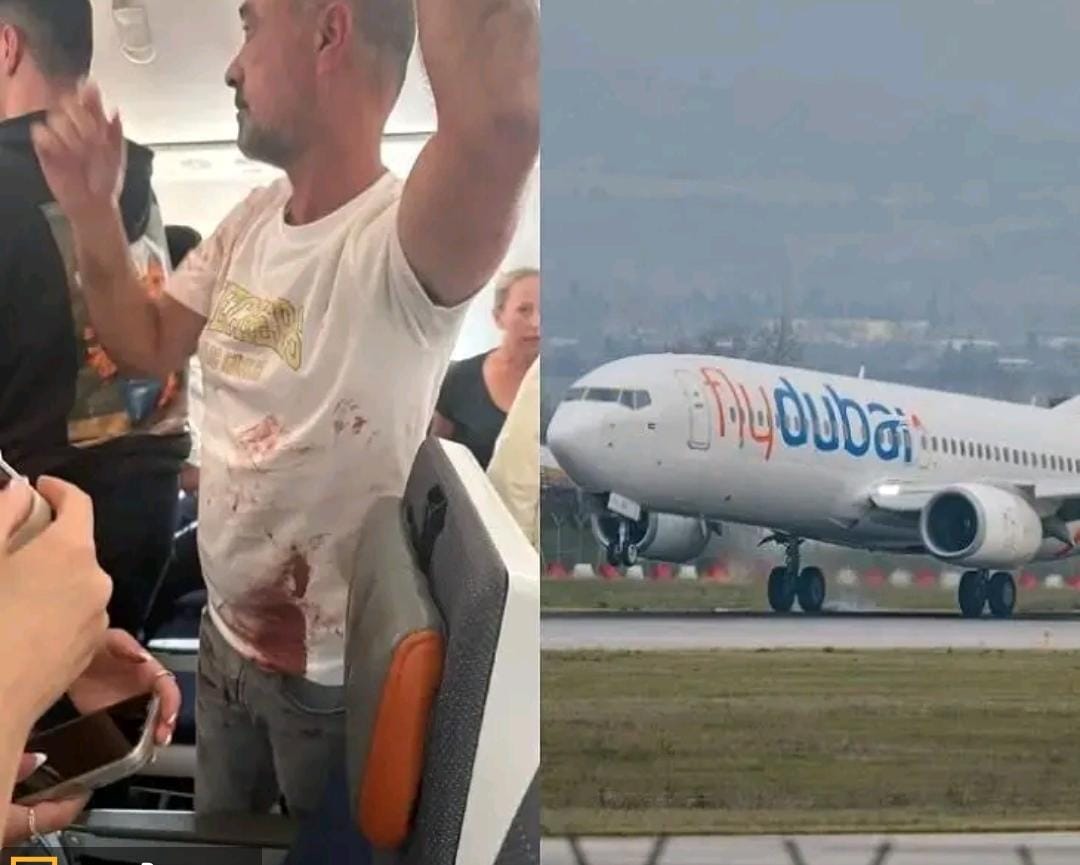
A routine morning flight from Dubai to Tel Aviv descended into sheer terror this week when an armed co-pilot launched a violent attack inside the cockpit of a Flydubai jetliner, attempting to force the aircraft into a fatal nose-dive over Saudi Arabian airspace.
Flydubai Flight FZ1073, operating a Boeing 737 MAX 8, was cruising at an altitude of 33,000 feet on Wednesday morning when screaming and commotion erupted behind the locked cockpit door. According to operational reports and passenger accounts, the co-pilot—identified as an Omani national—drew a knife and repeatedly stabbed the primary pilot in an effort to seize control of the aircraft and bring it down.
As the struggle raged inside the flight deck, the airliner pitched sharply downward. Flight tracking service Flightradar24 recorded the aircraft plummeting from 31,000 feet down to 17,000 feet in just 29 seconds, executing a steep, near-vertical nose-dive of roughly 14,000 feet during that brief window.
Inside the cabin, 174 passengers—including 27 children—were thrown into panic as the plane went into freefall. Video footage recorded by terrified travelers captured passengers clinging desperately to their seats, praying and crying out as the aircraft rapidly lost altitude. Many later remarked that in those agonizing seconds, they believed they were facing certain death.
Emergency Beacons and Fighter Jets Deployed
As the situation unfolded at 8:45 AM, emergency transponder signals began flashing across regional air traffic monitoring systems. The aircraft initially transmitted Squawk Code 7700, signifying a general emergency, to air traffic control in Tabuk, Saudi Arabia. Within minutes, however, the signal changed to Code 7500—the international transponder code indicating an ongoing hijack.
The hijacking alert triggered immediate high-level security alarms across the Middle East. With 166 Israeli citizens aboard the flight, officials in Jerusalem expressed grave fears that the aircraft had been compromised for a mass-casualty terrorist strike reminiscent of the September 11 attacks in the United States.
Israeli Prime Minister Benjamin Netanyahu and Defense Minister Israel Katz immediately convened an emergency security council. In response to the crisis, Israeli Air Force fighter jets were scrambled to intercept the incoming airliner, while defense officials evaluated contingency measures for a potential airborne threat.
An Indian Captain’s Heroic Resistance
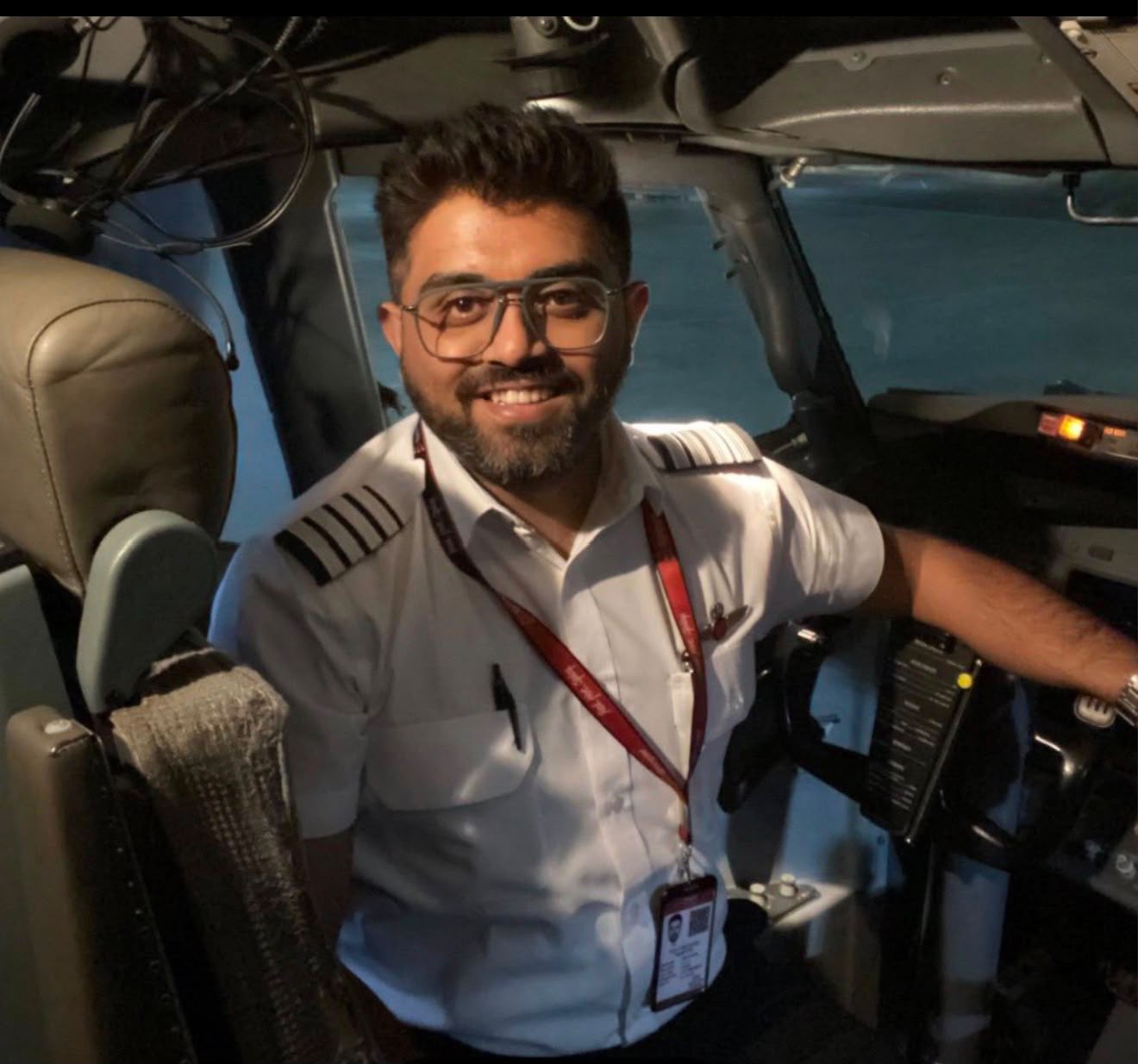
Despite sustaining severe knife wounds, the aircraft’s main captain—identified as Indian national Smith Machar—fought back courageously against his attacker. Hearing the violent struggle and shouting from inside the cockpit, flight crew members and several quick-thinking passengers breached the flight deck to intervene.
Together with Captain Machar, they managed to overpower the Omani co-pilot and physically restrain him. A doctor traveling aboard the flight immediately administered emergency first aid to the bleeding captain to stabilize his condition.
With the assailant subdued, two off-duty commercial pilots who happened to be traveling as passengers stepped forward to assist the wounded captain. The transponder code was promptly switched back from hijack status (7500) to standard emergency status (7700).
After stabilizing at 19,000 feet, the aircraft altered its heading, performing unusual flight patterns near the Jordanian border as the crew assessed control systems and coordinated with regional ground control. Captain Machar and his emergency crew managed to safely navigate the airliner to Prince Sultan bin Abdulaziz Airport in Tabuk, Saudi Arabia, where it executed a safe emergency landing approximately one hour after the ordeal began.
Passengers Arrive Home Safely
Following the emergency landing, Flydubai confirmed that while both pilots sustained injuries during the struggle, all 174 passengers aboard Flight FZ1073 were unharmed. Captain Machar was rushed to a local medical facility in Saudi Arabia, where he underwent emergency surgery for severe knife wounds. Reports indicate that his condition is currently stable.
To transport the stranded passengers to their final destination in Israel, Flydubai dispatched a replacement aircraft to Tabuk. However, shaken by the traumatic experience, several passengers initially refused to board another Flydubai flight.
The Israeli government requested permission from Saudi authorities to dispatch military transport aircraft to airlift its citizens directly from Tabuk. After Saudi authorities declined the request, Israeli officials negotiated with the passengers, reassuring them and facilitating their departure aboard the replacement Flydubai aircraft.
The plane landed safely at Ben Gurion International Airport in Tel Aviv later that day, where Prime Minister Benjamin Netanyahu personally met the arriving passengers on the tarmac to welcome them home. Addressing the event, Netanyahu declared that the attack was an attempted act of mass murder targeting Israeli citizens.
Diplomatic Questions and Background
The identity and vetting of the Omani co-pilot have raised sharp security concerns within the aviation industry and government diplomatic circles. Israel maintains no formal diplomatic relations with Oman, and security protocols surrounding flights originating in the Gulf region bound for Tel Aviv are notoriously strict.
Israeli Transportation Minister Miri Regev publicly raised questions regarding how an Omani national was assigned to fly a route heading into Israeli airspace, suggesting that the assault may have been a meticulously pre-planned attack. Authorities have not yet released an official motive behind the co-pilot's actions, and investigations into his background remain ongoing.
Flydubai has not publicly released the official names of the flight crew, following standard corporate protocol during an ongoing investigation. However, details regarding Captain Smith Machar’s background highlight extensive commercial aviation experience.
Hailing from Gujarat, India, Machar served for 11 years as a pilot for Indian carrier SpiceJet before joining Flydubai in June 2022. A veteran aviator with over 9,500 flight hours, he also served as a flight instructor for Boeing 737 aircraft. His swift intervention and refusal to yield control of the yoke under violent attack have earned him widespread acclaim across the international aviation community.





Post Comments