
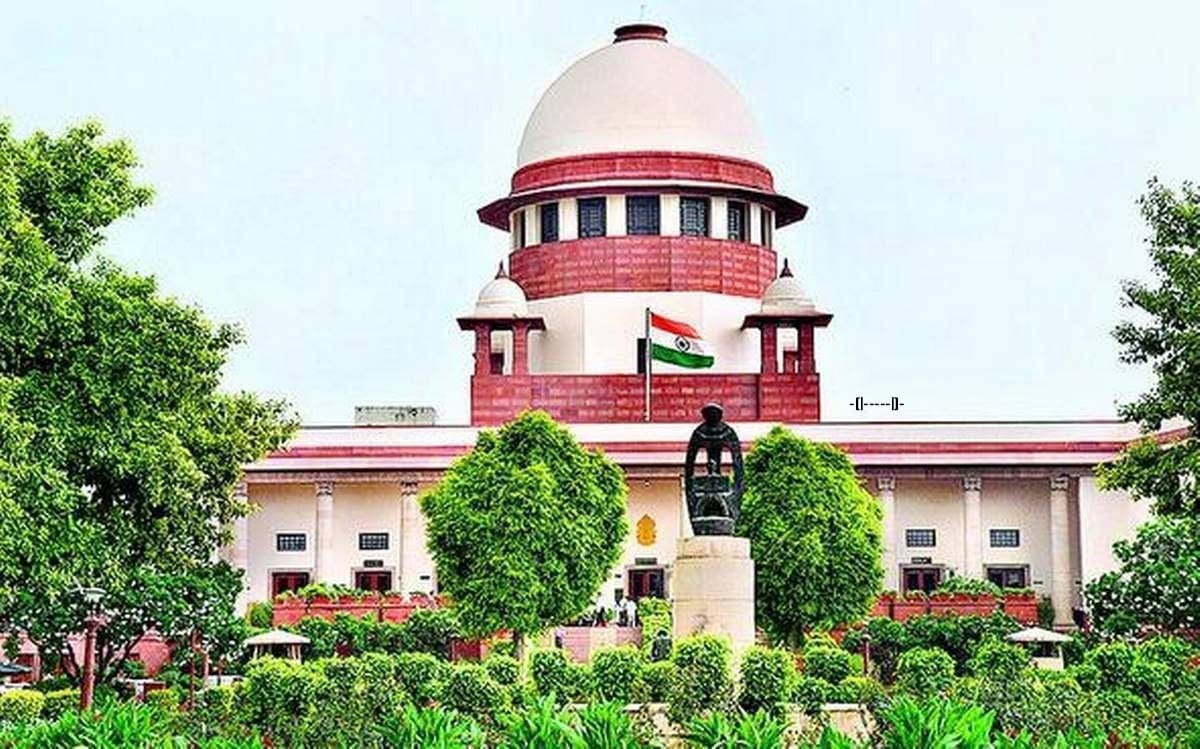
In a momentous development aimed at safeguarding media freedom, the Supreme Court has delivered significant relief to working journalists across the country. The top court’s observations focus on curbing arbitrary legal actions taken against media personnel who report on corruption, administrative irregularities, and political misconduct.
The ruling reinforces the fundamental rights of media professionals regardless of their platform, extending equal recognition to journalists working across traditional print publications, satellite television outlets, and digital platforms like YouTube news channels.
Universal Protection Across Media Platforms
Addressing the evolving landscape of news delivery, the court highlighted that individuals engaged in daily news collection and broadcasting—whether holding a pen or operating a camera—are recognized as working journalists. This explicit inclusion ensures that reporters operating through digital media and independent video platforms receive equal consideration alongside veterans of established print and broadcast outlets.
By placing digital creators and traditional news reporters under the same protective umbrella, the judiciary has acknowledged the modern realities of information dissemination. Reporters representing satellite networks, digital video outlets, and printed newspapers are all recognized as essential agents in bringing truth to light.
Halting Malicious Cases Against Investigative Reporters
The judicial directive strikes directly at the practice of filing retaliatory and baseless police complaints against media personnel. Journalists frequently face intimidation from politicians, individuals involved in illicit trades, and corrupt officials targeting reporters who uncover fraud or misuse of public power.
Under the new directives, lawsuits filed with retaliatory intent or targeted malice against journalists for exposing truth will no longer hold legal standing. The court made it clear that reporting verified facts without fear is an indispensable part of journalistic duty and must be shielded from political or administrative high-handedness.
Empowering Journalist Associations
To prevent immediate police harassment, the court has introduced a key procedural step involving recognized journalist associations. Before taking action on complaints alleging criminal conduct or seeking truth verification regarding a news report, authorities must involve the relevant journalists' association.
Press associations have been granted a explicit seven-day window to assess the nature of the allegations. These organizations hold the authority to determine whether a complaint constitutes a genuine legal grievance or an illegal, retaliatory attempt to silence a working journalist.
Strict Action Against Non-Compliant Officials
The court coupled its protective measures with strong warnings for law enforcement personnel. Police officers or public officials who bypass the mandated seven-day review period or proceed with illegal arrests and unjust cases against journalists will face severe disciplinary and legal consequences.
By imposing strict accountability on police forces, the judicial framework aims to eliminate arbitrary arrests and harassment tactics historically used to stifle uncomfortable stories. Authorities must now respect the mediation and evaluation role assigned to media bodies before taking coercive steps.
Strengthening the Pillars of Democratic Reporting
This legal outcome represents a vital step toward fortifying press freedom and protecting investigative journalism across India. By granting clear procedural safeguards and penalizing law enforcement officers who file fabricated charges, the court has bolstered the confidence of reporters on the ground.
For news workers facing political pressure or threats from powerful interests, these guidelines serve as a robust legal shield, ensuring that fearless reporting in the public interest remains protected under the law.





Post Comments